
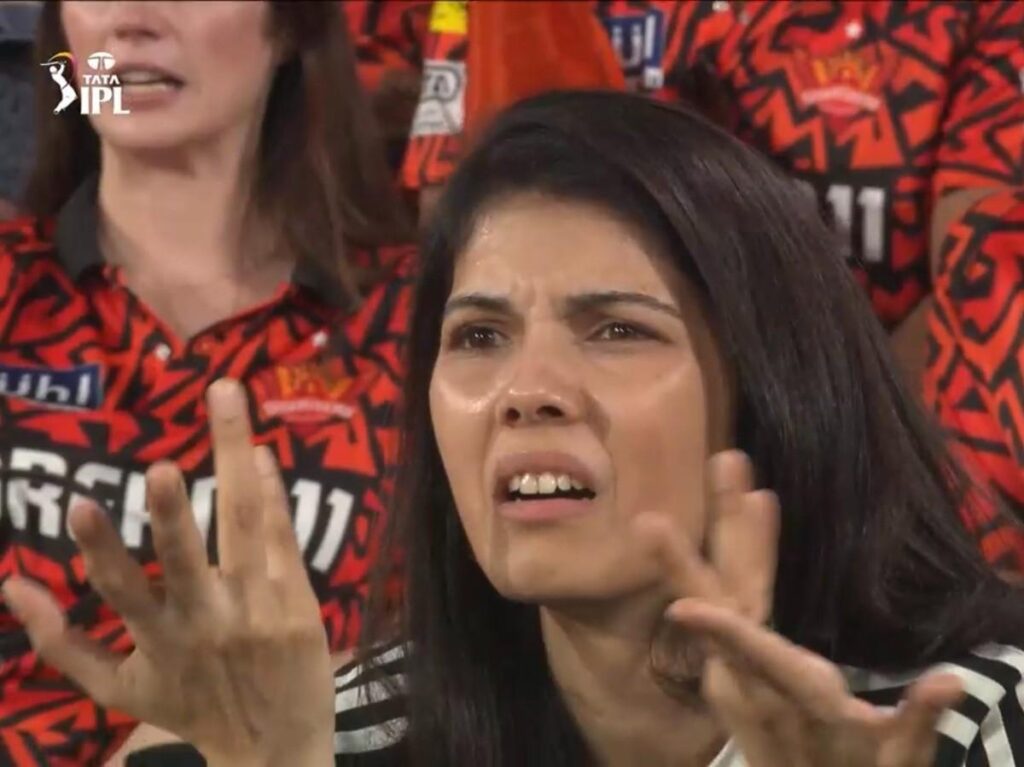

How the SRH co-Kavya Maran made history — and paid a price — by signing Pakistani spinner Abrar
Ahmed for The Hundred 202
When the Hammer Dropped
On the morning of March 12, 2026, inside the glittering venue of Piccadilly Lights in London, the
inaugural men’s auction for The Hundred 2026 was in full swing. Paddles were being raised, fortunes
were being decided, and the cricketing world was watching closely — not just for the big-money
deals, but for one very specific question: would any Indian-owned franchise dare sign a Pakistani
cricketer?
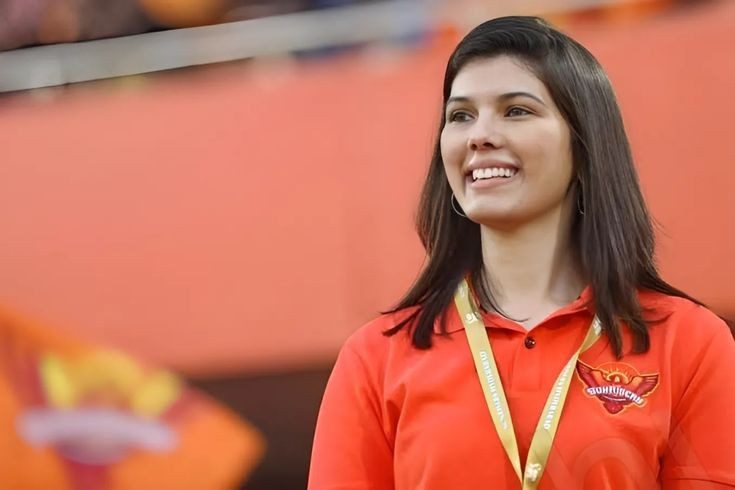
The answer came when Kavya Maran — co-owner and CEO of Sunrisers Hyderabad, and the driving
force behind the Sun TV Group’s expanding cricket empire — raised her paddle for Pakistan
leg-spinner Abrar Ahmed. Her team, Sunrisers Leeds (formerly Northern Superchargers), engaged in
a fierce bidding war with Trent Rockets before finally securing the 25-year-old spinner for £190,000
— approximately Rs 2.34 crore.
In doing so, Kavya Maran made history: her franchise became the first Indian-owned team in The
Hundred to sign an active Pakistani international. It was a moment that would send shockwaves
through the Indian cricket ecosystem, trigger trending hashtags, spark a fierce national debate, and
ignite one of the most controversial cricketing conversations in recent memory.
The Woman Behind the Decision- Kavya Maran
To understand the significance of this decision, one must first understand who Kavya Maran is.
Daughter of media tycoon Kalanithi Maran — the founder of the Sun Group, one of Asia’s largest
media conglomerates — Kavya is no ordinary franchise owner. With a B.Com from Stella Maris
College, Chennai, and an MBA from NYU Stern School of Business, she returned to India with a
vision to build a world-class sporting dynasty.
Under her stewardship, Sunrisers Hyderabad won the IPL championship in 2016 and reached the
finals in 2018 and 2024. Her Sunrisers Eastern Cape franchise in the SA20 league has been even
more dominant, winning the inaugural title in 2023, defending it in 2024, and lifting the trophy again in 2026 She has been honoured by GQ Magazine as one of the 35 Most Influential Young Indians of 2025.
Her latest bold chapter began in late 2025 when the Sun Group acquired a 100% stake in the
Leeds-based Hundred franchise — purchasing a 49% share from the ECB and the remaining 51%
from Yorkshire — in a deal valued at around £100 million. The renamed Sunrisers Leeds joined a
group of Hundred teams that also had stakes sold to the GMR Group (Southern Brave) and Sanjiv
Goenka’s RPSG Group (Manchester Super Giants). Kavya was personally present at the auction
table in London, a statement in itself.
The Shadow Ban That Wasn’t
The backdrop to this auction was loaded with geopolitical tension. Pakistani players have been
effectively excluded from IPL since 2009, following the 2008 Mumbai attacks. The same pattern has
held in the SA20 and ILT20 leagues — both heavily influenced by IPL franchise owners. When
IPL-linked investors began acquiring stakes in The Hundred, fears quickly spread that a ‘shadow ban’
was being planned for Pakistani players.
Reports from the BBC suggested that agents representing Pakistani players had been warned
informally to expect no bids from IPL-affiliated teams. The ECB was forced to intervene — issuing a
formal statement declaring that The Hundred is an inclusive tournament and that no discrimination
against any player based on nationality would be permitted. All eight franchises, including Sunrisers
Leeds, signed a formal commitment to evaluate players solely on performance, availability, and team
needs.
Against this charged backdrop, Kavya Maran’s move to not only bid but aggressively out-duel Trent
Rockets to sign Abrar Ahmed spoke volumes. It wasn’t just a commercial decision — it was a
statement of sporting integrity and, some would argue, a deliberate stand against the prevailing
political tide.
Who Is Abrar Ahmed — And Why Did SRH Want Him?
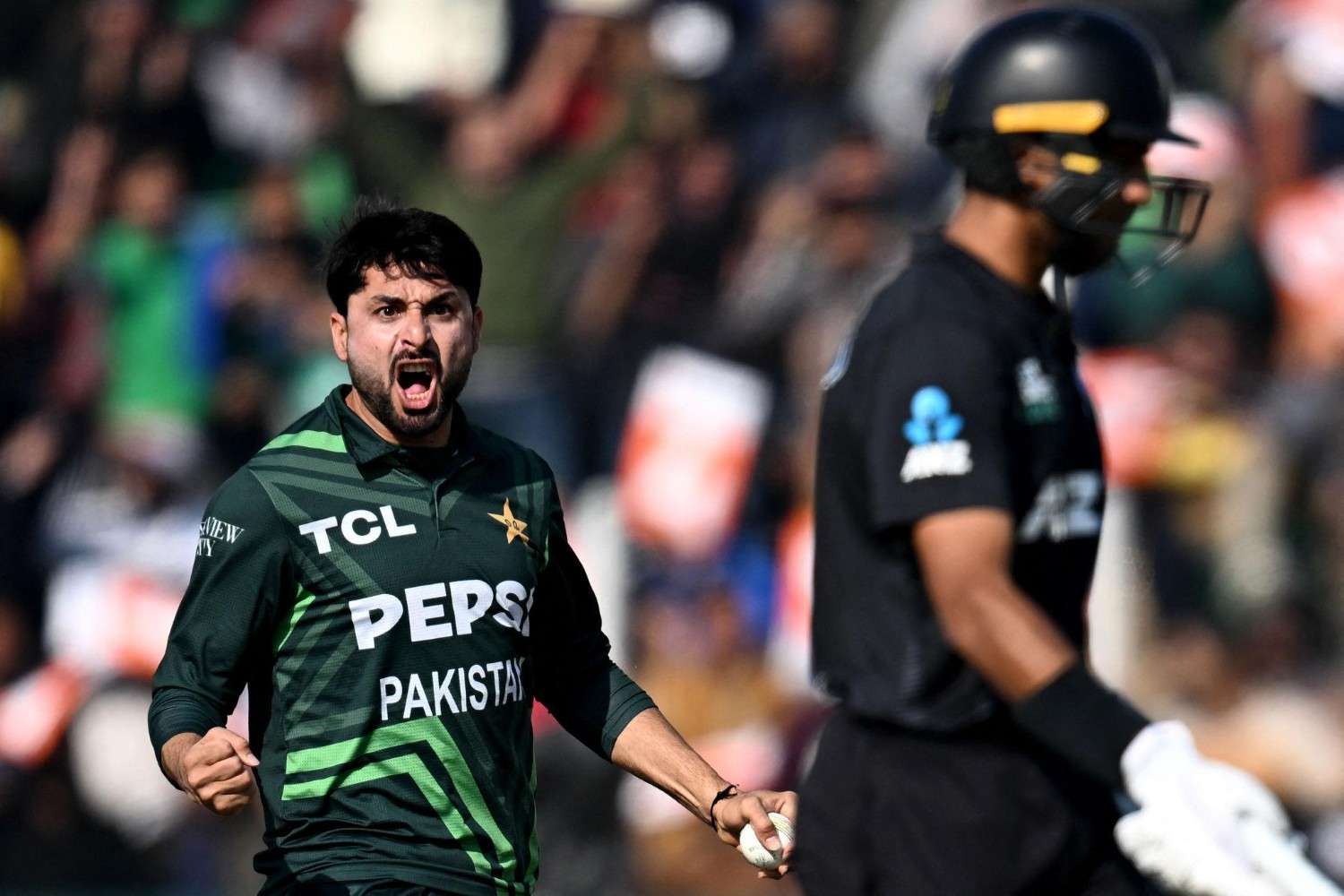
From a purely cricketing standpoint, the case for Abrar Ahmed is compelling. The 25-year-old
leg-spinner from Pakistan initially made his mark as a Test specialist after his debut in 2022, but has
since evolved into a formidable T20 force. Since 2024, he has claimed 52 wickets in 38 T20 matches,
maintaining a remarkable average of 17.36 and an economy rate of 6.67 — figures that place him
among the most effective spinners in the format.
He contributed meaningfully to Pakistan’s T20 World Cup 2026 campaign, picking up six wickets in
four matches. For a Sunrisers Leeds team coached by New Zealand legend Daniel Vettori — himself
a masterful exponent of spin — Abrar’s unique leg-spin variations and his ability to take wickets in the
middle overs made him a strategically attractive buy.
The Hundred 2026 season runs from July 21 to August 16, and Abrar will play under the captaincy of
England’s Test superstar Harry Brook at Headingley — a homecoming of sorts for the Leeds
franchise. The excitement around this signing at a purely cricketing level is significant: an
England-based crowd watching an elite Pakistani spinner is exactly the kind of cricket the ECB
envisioned when designing The Hundred as a global product.
The Storm That Followed
If the sporting logic was sound, the political fallout was immediate and severe. The backlash in India
erupted within hours. The controversy was fuelled in part by Abrar Ahmed’s own social media history:
in March 2025, Abrar posted a photo holding a cup of tea with the caption ‘Fantastic Tea’ — widely
interpreted as a mock of Indian Air Force Wing Commander Abhinandan Varthaman, who famously
praised Pakistani tea during his brief captivity in 2019 following an aerial skirmish.
For many Indian fans, signing a player who had publicly mocked the Indian military was seen as
unacceptable — regardless of the league or the contractual context. Hashtags like ‘Boycott Sunrisers
Hyderabad’ and ‘Boycott Kavya Maran’ began trending on X (formerly Twitter). The official X account
of Sunrisers Leeds was suspended — reportedly due to the volume of abuse directed at it, though
later restored. Sunrisers Hyderabad, the flagship IPL franchise, lost over one lakh Instagram
followers in a single day.
Fans called for boycotts of SRH’s IPL matches, set to begin on March 28 with a high-profile opener
against defending champions Royal Challengers Bengaluru. Prominent voices in Indian cricket
discourse weighed in, many expressing that the decision showed a callous disregard for national
sentiment at a politically sensitive time.
BCCI Steps Back, ECB Stands Firm
The BCCI was quick to distance itself from the controversy. Vice-President Rajeev Shukla, speaking
to ANI, was clear: the Indian cricket board has no authority over decisions made by franchise owners
in overseas leagues. His words were blunt and pragmatic — the BCCI operates within the IPL
ecosystem; what franchises do with their international properties is beyond its domain.
The ECB, on the other hand, has stood by the decision — pointing to its anti-discrimination
framework and the formal commitments made by all eight franchises before the auction. From a legal
and regulatory standpoint, Sunrisers Leeds acted within its rights and within the rules of the
competition. The ECB’s stance effectively insulates Kavya Maran from any formal consequences
within the tournament structure.
A Defining Moment in Franchise Cricket’s Evolution
Whatever one’s personal views on the decision, the significance of the moment cannot be overstated.
For the first time in nearly two decades, a franchise with Indian ownership has signed an active
Pakistani cricketer. It breaks a pattern that has defined franchise cricket since 2009 — a pattern so
entrenched that it had taken on the status of an unwritten rule.
Kavya Maran made this move knowing full well the reaction it would provoke. She was physically
present at the auction table. She engaged in a bidding war to secure the player. This was not an
oversight or a delegation — it was a deliberate choice made at the highest level of the franchise.
The broader question this raises for franchise cricket is profound: as IPL-linked owners continue
acquiring stakes in global T20 leagues, how will the India-Pakistan geopolitical tension continue to
shape cricketing opportunities for Pakistani players? Abrar Ahmed’s signing may represent not just a
one-off incident, but the beginning of a slow, complex, and contentious recalibration.
Conclusion: Bold, Brave, and Bruised
Kavya Maran has always operated with an eye on the bigger picture. She built Sunrisers Eastern
Cape into one of franchise cricket’s most decorated teams. She transformed Sunrisers Hyderabad
into IPL finalists. She invested over £100 million to build a presence in English cricket. These are not
the moves of someone who makes decisions carelessly.
The signing of Abrar Ahmed will cost her — in followers, in public goodwill, and possibly in match-day
atmosphere during IPL 2026. But it has also earned her something: a place in the history books as
the first Indian franchise owner to break the decade-old invisible barrier separating Pakistani
cricketers from Indian-owned global teams.
Whether this gamble pays off — on the field, in the boardroom, or in the long arc of cricket diplomacy
— only time will tell. But one thing is certain: Kavya Maran made a choice when others chose silence.
And in a world where powerful people routinely take the safe path, that alone is worth noting.